Break Room Reset: Turning Office Downtime Into Workplace Value

A break room should do more than hold a refrigerator and a microwave. In modern offices, coworking spaces, and startup environments, it can support employee well-being, informal collaboration, and healthier daily routines. A thoughtful revamp can make the space more useful without turning it into an expensive lounge or distracting social zone.
Start With How Employees Use the Space
Before changing furniture or finishes, observe how the current break room functions. Some teams use it for quick lunches, while others use it for casual meetings, coffee breaks, or short mental resets. Track common issues such as crowding, poor lighting, limited seating, lack of storage, or noise spilling into nearby work areas. Employee feedback is also useful. A brief survey can identify practical needs, including healthier food storage, quieter seating, better coffee equipment, or more accessible outlets. The best upgrades solve daily problems instead of copying design trends.
Create Zones for Different Break Styles
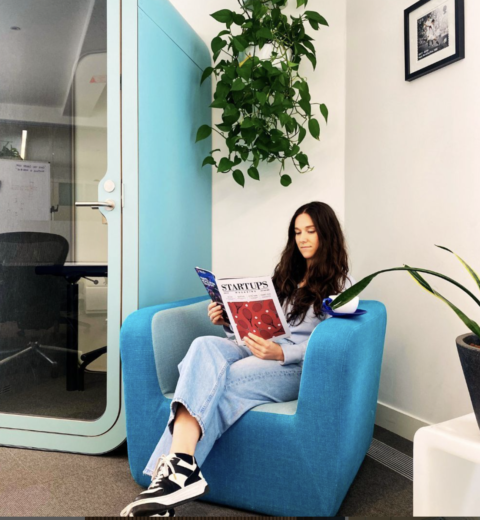
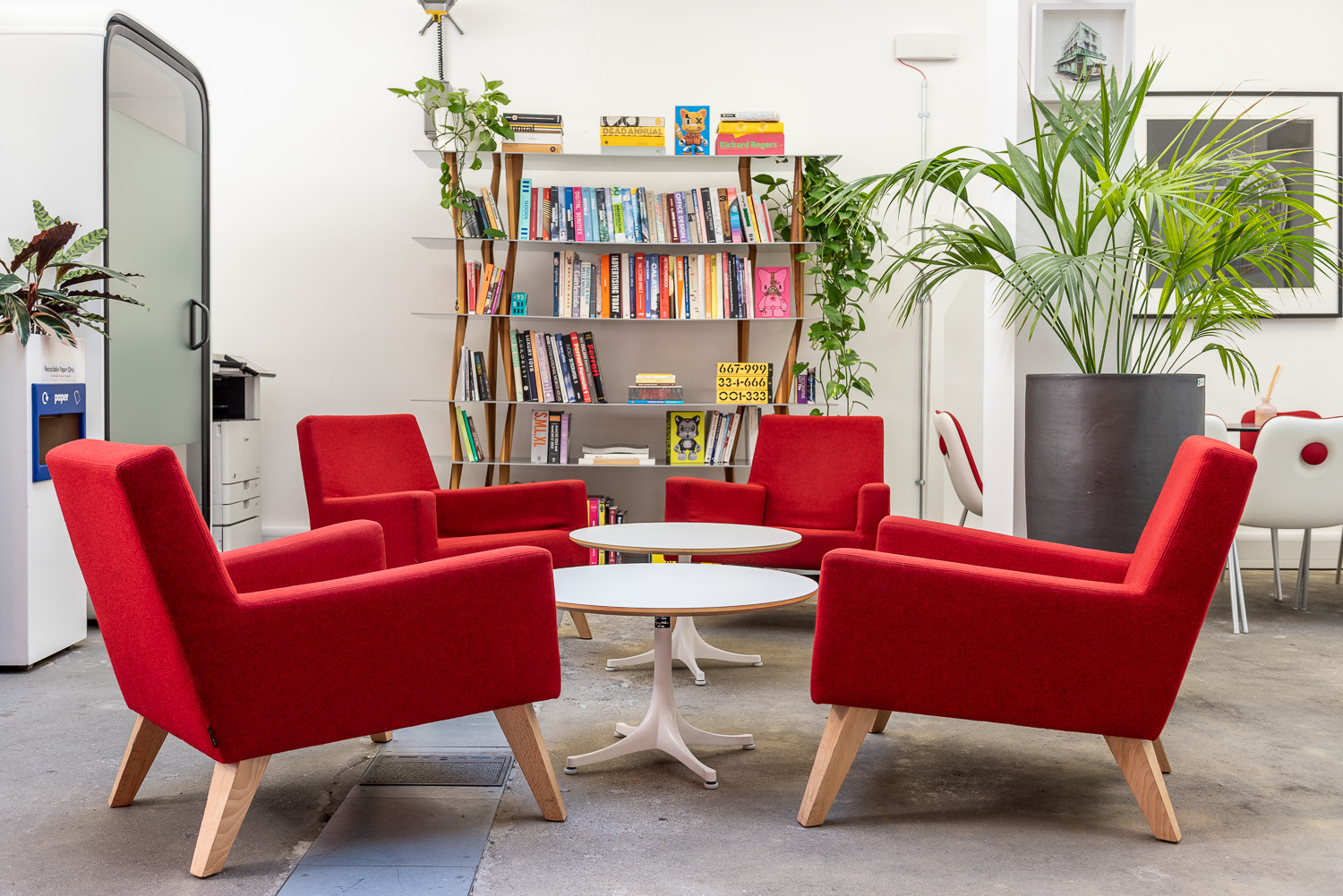
A single open room can serve multiple needs if it is organized intentionally. Counter space near appliances supports food preparation, while small tables work well for meals or brief conversations. Soft seating can create a calmer area for employees who need a short pause between focused tasks.
For coworking environments, zoning is especially important because members may have different work patterns and expectations. Clear separation between eating, conversation, and quiet areas helps reduce friction and makes the room easier to share.
Improve Comfort Through Design Basics
Lighting, acoustics, and ventilation have a major impact on how people experience a break room. Harsh overhead lighting can make the space feel institutional, while warmer, layered lighting creates a more relaxed setting. Acoustic panels, rugs, upholstered seating, or ceiling treatments can reduce noise. Good ventilation helps manage food odors and supports air quality, particularly in compact office layouts. Durable materials remain important, but they should be easy to clean and comfortable enough for daily use.
Make Food and Beverage Access Practical
A well-planned break room should support efficient routines. Reliable appliances, labeled storage, filtered water, and sufficient trash and recycling stations reduce clutter and confusion. Coffee areas deserve special attention because they often become informal gathering points. Providing basic supplies can reduce the need for employees to leave the office for every drink run, although local options still matter for teams that enjoy walking meetings or grabbing a coffee shop near the workspace. Healthy snack options, allergen awareness, and clear cleaning expectations also help maintain a shared space that feels considerate and professional.
Support Culture Without Forcing Interaction
Break rooms can encourage connection, but they should not pressure employees to socialize. Some people use breaks to recharge alone, while others enjoy casual conversation. The space should respect both preferences.
Bulletin boards, employee recognition areas, or community calendars can support culture without overwhelming the room. Startups and small teams may also use the break area for informal updates, but important workplace communication should still happen through official channels.
Plan for Maintenance and Accountability
A break room revamp will only succeed if the space remains clean, stocked, and functional. Assign clear ownership for supply checks, appliance maintenance, and cleaning standards. Shared responsibility works best when expectations are visible and realistic. Managers should also monitor whether the room supports work patterns as intended. If employees avoid the space, eat at their desks, or complain about noise, adjustments may be needed.
A strong break room is a workplace tool, not a perk without purpose. With practical planning, thoughtful design, and ongoing maintenance, offices can create a space that supports focus, connection, and daily well-being. For more information, feel free to look over the accompanying infographic below.

Photo credits: Microsoft