
Why Hybrid Work Is Becoming the Most Profitable Way to Hire
The five-day office lease used to be the default because nobody questioned it. Now it’s the thing candidates quietly rule you out for. Gallup puts the share of remote-capable US employees working hybrid at 53 percent. Robert Half found that 55 percent of job seekers rank hybrid as their top preference for a new role, and only 16 percent would pick a fully in-office job if given a real choice. That’s not a niche preference anymore. It’s the middle of the market, and the businesses treating it that way are pulling ahead on hiring, retention, and the actual cost of running an office.
Hybrid Isn’t a Perk. It’s a Line on the P&L.
Talk about flexible work and the conversation usually drifts toward wellbeing and work-life balance, which is real, but it undersells the financial case. Cisco’s research found that 69 percent of employers saw retention improve after rolling out hybrid policies, and companies that only asked staff in once a week saw the biggest jump, with retention up 41 percent on average. Replacing a mid-level employee typically costs six to nine months of salary once recruiting, onboarding, and the productivity gap are added up. Every resignation a flexible policy prevents is money that stays inside the business instead of funding a recruiter’s invoice.
Stanford’s research adds a second number worth sitting with: hybrid teams came out about 5 percent more productive than fully remote or fully in-office teams. Multiply that across a workforce and it stops being a rounding error. Meanwhile, the cost of getting this wrong is climbing too. SurveyMonkey’s 2026 workforce research found that 29 percent of remote and hybrid employees would consider quitting if forced back into the office full time, and Deloitte’s numbers push that even higher for younger staff, with 65 percent of Gen Z and Millennial workers saying they’d leave under a strict return-to-office mandate. An empty desk costs nothing. A resignation over a policy fight costs six figures once you count everything that has to happen before someone new is fully productive again.
Two Job Offers, One Winner
Imagine a candidate comparing two nearly identical offers on the same afternoon. Same title, same salary, same manager on paper. One asks for five days a week in a fixed office. The other lets them choose which days actually justify the commute. Most people take the second offer without hesitation, and the job market backs that up: LinkedIn data shows remote and hybrid roles make up roughly a fifth of all postings but attract around 60 percent of all applications. Flexibility has become a form of compensation candidates weigh alongside salary, sometimes ahead of it.
That matters most for the businesses that can’t win on pay alone. A ten-person agency competing against a multinational for the same graduate talent will never match the bigger paycheck. It can absolutely match, and often beat, the bigger company on how much control it hands back to employees over their own week. For a majority of today’s job seekers, that’s the tiebreaker.
The Part Most Companies Get Wrong
Saying yes to hybrid and then handing everyone a laptop isn’t a strategy, it’s a gap waiting to cause problems. Employees end up working from a kitchen counter on their remote days or driving into a half-empty office because there’s nowhere better set up nearby. The organizations actually capturing the upside of hybrid treat workspace as part of the plan, not an afterthought. That means giving people access to a real desk, meeting room, or private office wherever they happen to need one that week, whether that’s near home, near a client, or in a city they’re only visiting for a few days.
This is precisely the gap a global flexible workspace network is built to close. Rather than signing a five-year lease on a single headquarters, a business can tap into a marketplace covering dozens of countries and hundreds of cities, matching each employee to the nearest coworking desk, meeting room, or private office for exactly as long as they need it. No long-term commitment, no unused square footage sitting idle three days a week.
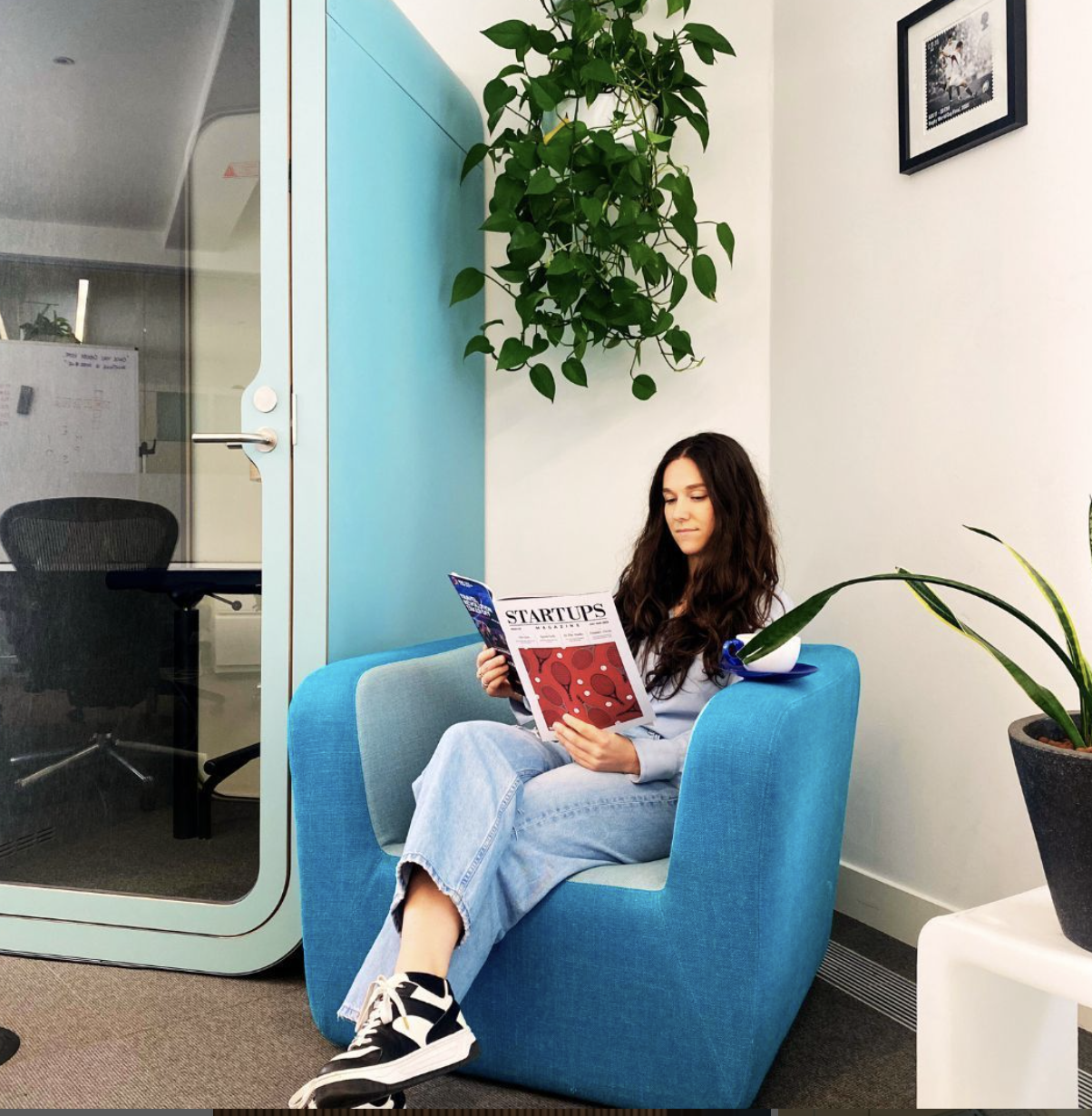
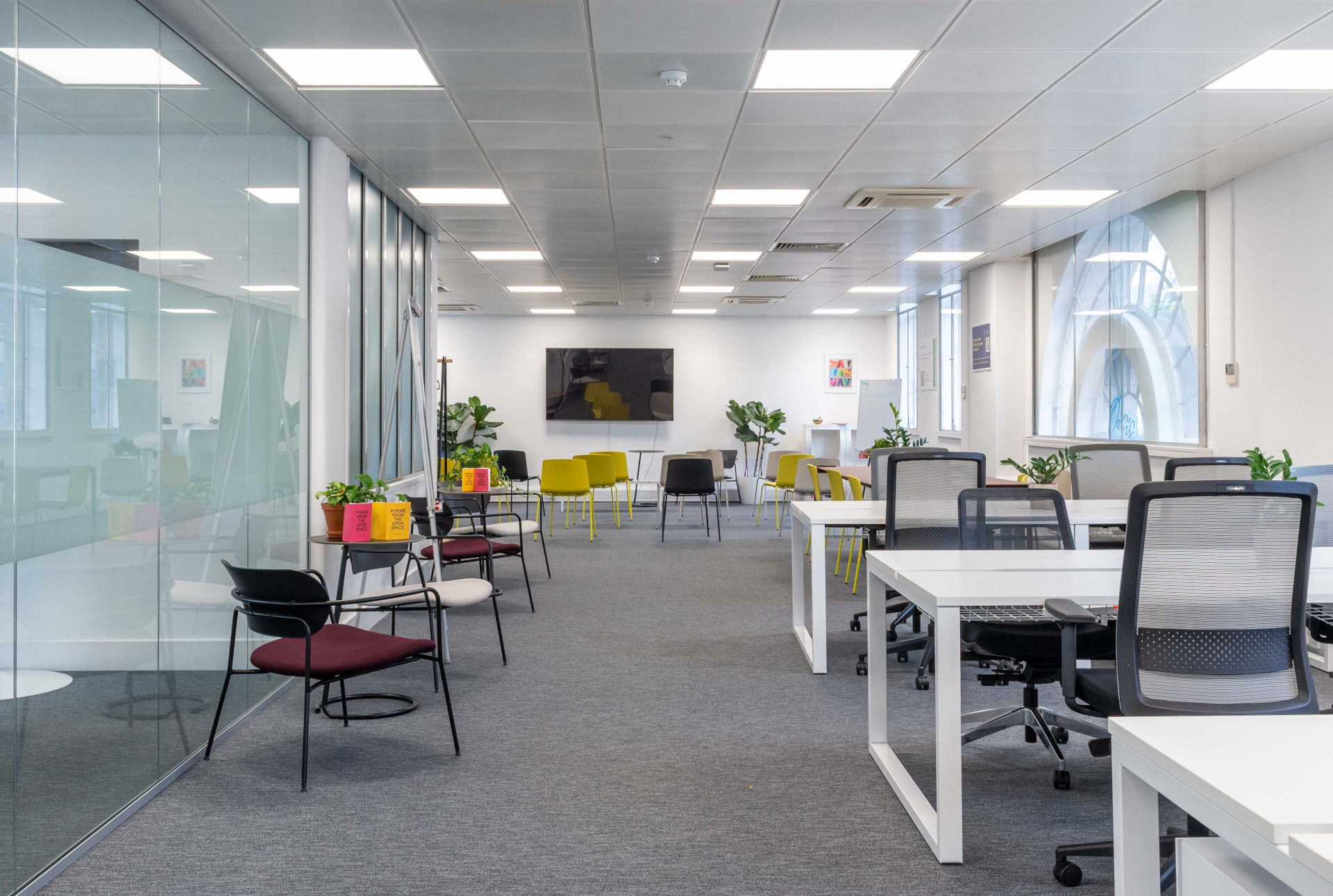
Flexible coworking operators are proving out this model at scale. Mindspace, for instance, runs locations across cities including London, Berlin, Amsterdam, Tel Aviv, and New York, and its coworking offices plans are built around exactly this kind of hybrid reality rather than the old idea of renting one fixed desk indefinitely. A location-based membership gives someone a home base at a single center they visit regularly. An all-access plan lets them roam between locations worldwide, which fits hybrid employees who split their week between offices, cities, or even countries. Either plan comes with 24/7 entry, fast internet, private phone booths, and a working community, the kind of setup that makes a remote day feel like an upgrade instead of a compromise.
Access Beats Ownership
That’s the real shift underway in workspace. A lease used to lock a company into a fixed headcount and a fixed address for years. Membership-based access flips that completely. A business pays for the amount of space its people actually use and adjusts it as attendance patterns shift, without renegotiating a contract every time headcount changes. For any team trying to offer real hybrid flexibility without also committing to office space nobody sits in three days out of five, that shift from ownership to access is what makes the whole model financially sustainable.
The Bottom Line
The companies winning the talent conversation right now aren’t the ones with the most impressive headquarters. They’re the ones whose employees can find a good place to work wherever they happen to be that day, whether that’s a desk near home, a meeting room across town, or a coworking membership in a different country entirely. Pair a genuine hybrid policy with easy access to flexible workspace and you’ve built something candidates choose over a bigger number on a salary line at a company still requiring five days in one building.
Hybrid has stopped being a pandemic-era compromise. It’s the model that pays for itself, through the people you keep, the applicants you attract without a bidding war, and the office costs that finally scale with reality instead of a lease signed years before anyone knew what “normal” would look like.
Photo credits: eOffice