

The Evolution of Flexible Workspace
More than a business buzzword, flexible workspace has become a popular way of working for companies today.
A flexible workspace is a full-service office that requires minimal setup time and little upfront investment. This is because the workspace provider handles much of the office infrastructure.
Flexible coworking spaces are especially useful if you are starting a business and are not yet ready to invest in your own office, furniture and equipment.
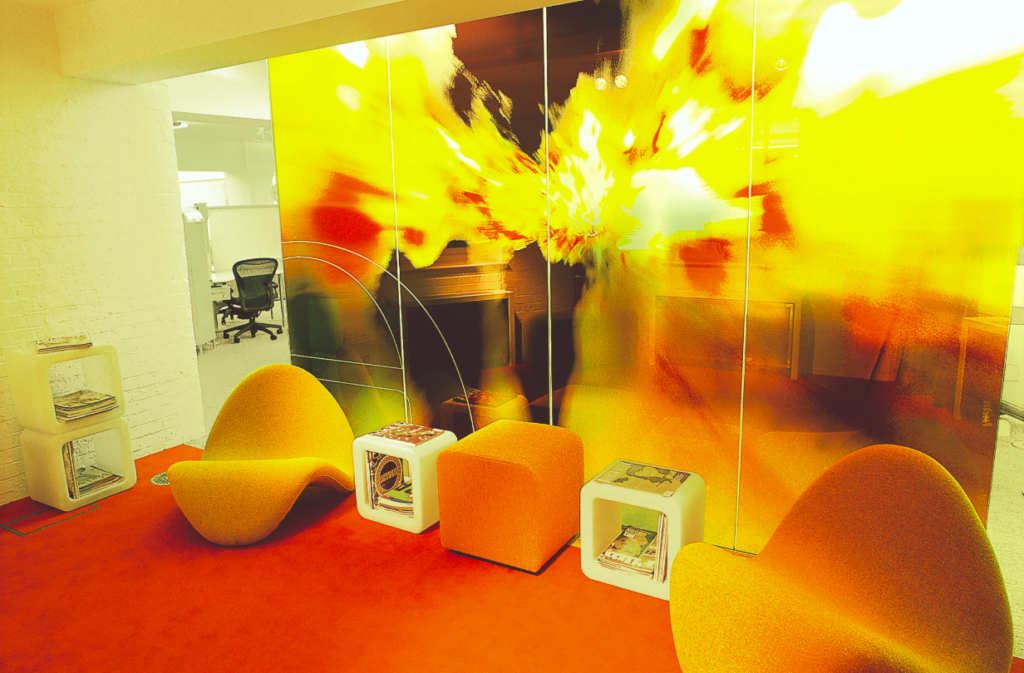
As a coworking space client, you can have a fully furnished office for your company and employees. You may also have shared access to reception areas, meeting rooms, kitchens and other communal facilities. Some workspaces even offer recreation and meditation rooms.
Why Flexible Workspace Has Grown
Several factors have contributed to the growth of the flexible workspace industry.
Today, businesses are not only expected to develop innovative products and services. They are also paying greater attention to the working environment they provide for employees.
The type of office environment you create can have a significant effect on employee productivity and satisfaction.
A rigid office environment may leave employees feeling tied to the same routine every day. In contrast, shared office spaces are often designed to encourage creativity, collaboration and a more enjoyable working experience.
Flexible Workspaces Can Help Attract Talent
A flexible workspace can also make it easier to attract talented professionals, especially millennials. oday’s workforce increasingly values offices that allow people to work in different settings. Instead of remaining at the same workstation throughout the day, employees may prefer the freedom to move between different working areas.
Young professionals may also value opportunities to expand their professional and social networks. Coworking spaces can encourage these connections by bringing together people with similar interests, ambitions and working values.
As a result, the workplace can become more than simply somewhere to sit and work.
Supporting Remote Workers
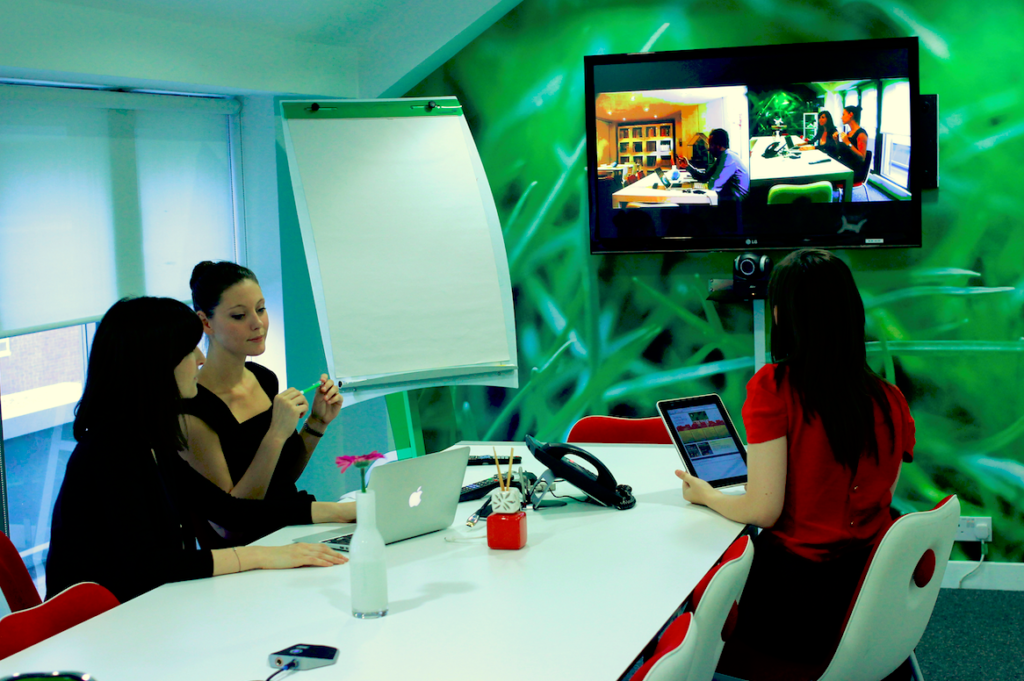
A flexible workspace can also help businesses communicate with remote workers effectively. For many companies, maintaining a smaller office in another location can be more practical than renting or building a traditional office. The latter can involve significant costs and longer commitments.
Additionally, many coworking spaces provide systems and tools designed to support communication and collaboration.
Business owners and managers can therefore stay connected with team members despite differences in location or time zone. At the same time, employees have access to the professional resources they need to achieve their goals.
Indeed, advances in office communication and collaboration technology have made shared office space an increasingly practical and efficient way to run a business.
Flexible Workspaces Will Continue to Evolve
There is no doubt that flexible workspace addresses important concerns for both employers and employees.
Businesses can reduce building and operational costs. Meanwhile, employees can work in an environment designed around comfort, convenience and collaboration.
With benefits for both businesses and their teams, coworking spaces are likely to continue gaining traction.
Companies can take advantage of a more flexible approach to their workspace needs. At the same time, office providers and designers can continue to improve and expand the services they offer.
Flexible Workspace for Businesses of Every Size
Coworking and flexible workspace arrangements are no longer relevant only to small and medium-sized businesses.
They can also provide practical solutions for multinational companies.
Large organisations operating in several markets do not necessarily need to acquire commercial property in every location. Instead, flexible workspace can provide access to professional offices when and where they are required.
This approach can also support business expansion.
With a flexible workspace, global companies can enter new markets without having to build an office from scratch. Therefore, they can establish operations more quickly while avoiding some of the costs associated with traditional office space.
Flexible workspace has evolved into a practical solution for businesses seeking greater agility, efficiency and choice.
The infographic below highlights some of the potential benefits that a flexible workspace can offer your business.

Photo Credits: eOffice