
Is Meshtastic Encrypted? Here’s What You Actually Need to Know
If you’ve been looking into off-grid communication lately, you’ve probably stumbled across Meshtastic and immediately wondered — is Meshtastic encrypted? The short answer is yes. Every single message sent over the LoRa radio link is encrypted by default. But like most things in tech, the full picture is a bit more nuanced than a simple yes or no.
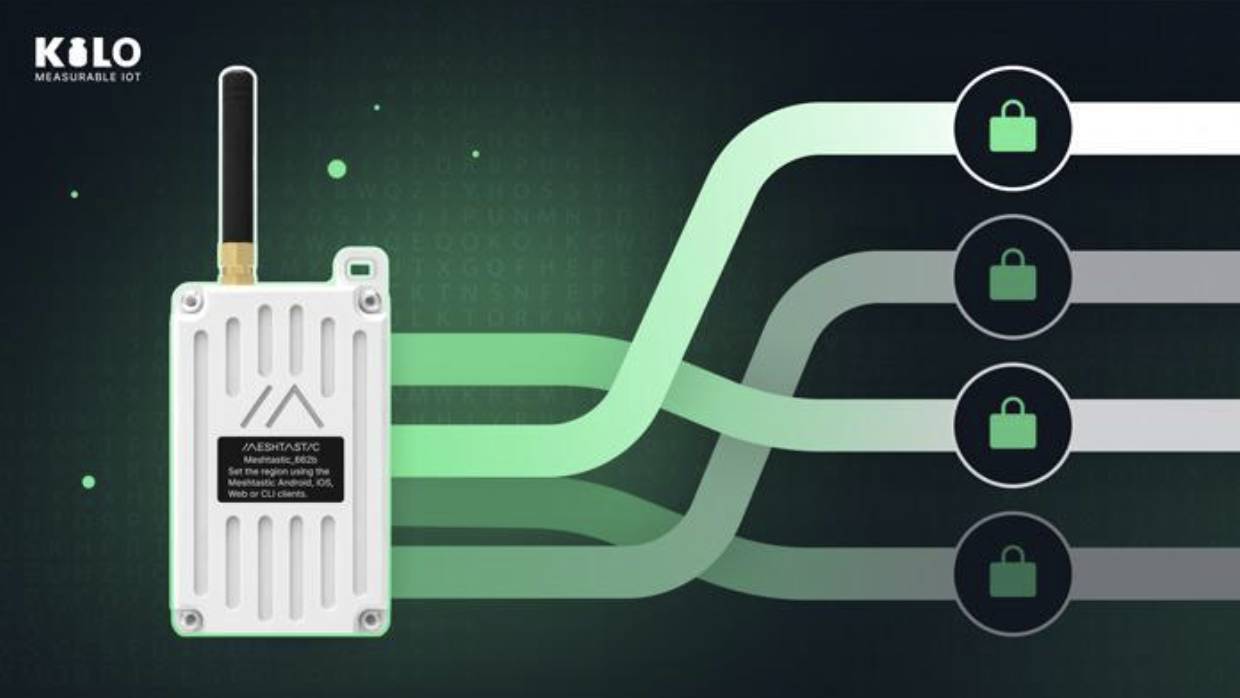
I’ve been working with these devices for a while now, and I think a lot of people either overestimate or underestimate what Meshtastic encryption actually does. So let me walk you through the meshtastic encryption overview — what’s solid, what’s improved recently, and where you still need to be careful.
Meshtastic Encryption AES — How the Core Encryption Works
So what’s actually going on under the hood? Meshtastic encrypts the payload of every LoRa packet using AES — that’s the Advanced Encryption Standard, same stuff your bank and your government rely on. The specific mode is AES-256-CTR, which works as a stream cipher. If you’re running one of the popular ESP32 or nRF52-based boards (and most of you are), good news — those chips handle AES in hardware, so encryption barely touches your battery life.
Here’s how it works in practice: each channel you set up on your device has its own Pre-Shared Key (PSK). That key can be either 128-bit or 256-bit, depending on what you configure. The node number combined with the packet number creates a unique nonce for every single message, which prevents replay-style attacks. The meshtastic encryption aes-256-gcm or ctr question comes up a lot — for channel messages, it’s AES-256-CTR. For direct messages (since firmware v2.5), the system uses AES-CCM, which adds message authentication on top of encryption.
If you want to dig deeper into the meshtastic encryption aes documentation, the official Meshtastic docs on their GitHub and website lay it all out transparently. And if you’re ready to get your own setup going, we carry a full range of Meshtastic-compatible devices over at kiloelectronics.com — from starter kits to ready-to-use handhelds, all shipped with Meshtastic firmware pre-flashed.
Is Meshtastic Secure Out of the Box?
Here’s where things get important, and where a lot of newcomers trip up. Yes, are meshtastic messages encrypted right from the start — but the meshtastic default encryption uses a publicly known key. The default primary channel ships with the PSK “AQ==”, which is essentially a single-byte placeholder. Every Meshtastic device in the world knows this meshtastic default encryption key. It’s there so devices can discover each other out of the box, but it provides zero real privacy.
Think of it like a door with a lock where everyone has a copy of the key. Technically locked, practically open.
So can meshtastic be encrypted properly? Absolutely. You just need to generate your own random 256-bit key and apply it to your channel. The Meshtastic app makes this easy — there’s literally a “random” button that generates a secure key for you. Share that key with your group through a secure method (Signal, in person, whatever you trust), and now you’ve got actual private encrypted meshtastic communications.
Meshtastic Security Encryption — What Changed in v2.5
The meshtastic security encryption details got a major upgrade with firmware version 2.5, and it’s worth understanding why. Before this update, meshtastic direct messages encrypted traffic was handled using the same shared channel key. That meant anyone on your channel could technically read your DMs. Not ideal.
Now, every node generates its own public/private key pair using X25519 elliptic curve Diffie-Hellman key exchange on first boot. When you send a DM, it’s encrypted with the recipient’s public key and authenticated with AES-CCM. This is a huge step forward for meshtastic communication security encryption.
Admin messages also got hardened — they now include session IDs with a 300-second timeout, which prevents replay attacks on remote node administration. The meshtastic encryption security posture is genuinely stronger than it was even a year ago.
How Secure Is Meshtastic? Understanding the Limitations
Let’s be real about what encrypted meshtastic doesn’t protect you from. The packet header — things like sender ID and packet number — is always sent in the clear. This is by design so that nodes can relay traffic for channels they don’t have the key to. It means an observer can see that communication is happening, even if they can’t read the content.
Another thing to know: Meshtastic does not currently offer meshtastic perfect forward secrecy for channel messages. If someone eventually gets your channel key — say a device gets stolen — they could decrypt previously captured traffic. The project team acknowledges this and recommends rotating your channel keys periodically.
Can meshtastic messages be intercepted? The radio signals themselves, sure — anyone with a LoRa receiver can pick up the packets. But without your PSK, decrypting the content is computationally impractical thanks to AES-256.
Also worth mentioning: if you run into a meshtastic encrypted send failed error, it’s usually not an encryption problem per se. If you’ve run into the meshtastic encrypted send failed error — don’t panic. Nine times out of ten, the encrypted send failed meshtastic problem is a key exchange thing. Basically, your node tried to send a PKI-encrypted DM but it doesn’t have the other person’s public key yet. Make sure both devices are on firmware v2.5 or newer, let them see each other on the mesh for a bit so keys get swapped, and try again.
Meshtastic Encryption Algorithm — A Quick Technical Summary
For those who want the meshtastic encryption details in one place:
Channel messages use AES-256-CTR with a shared PSK. The nonce is derived from the sender’s node number and the packet ID. Direct messages (v2.5+) use X25519 key exchange followed by AES-CCM encryption with a Message Authentication Code. Admin messages include session IDs for replay protection. The meshtastic encryption aes-256 gcm variant (AES-CCM, to be precise) handles DMs, while CTR handles channels. The meshtastic encryption algorithm choice of AES-256 is considered quantum-resistant for symmetric encryption, though the public key exchange for DMs is not — a limitation the team openly documents.
A few independent security folks have actually looked at the meshtastic crypto code, and the verdict is pretty encouraging — the confidentiality side is solid as long as IVs don’t repeat (and the protocol makes sure they don’t). Where reviewers pushed back was on channel messages not having authentication built in, and the forward secrecy gap I mentioned earlier. Fair criticisms, but the Meshtastic team is upfront about these being deliberate trade-offs. LoRa packets max out at 256 bytes and these devices run on tiny batteries — you can’t just bolt on every feature from Signal and call it a day.
Is Meshtastic Safe for Your Use Case?
So, is meshtastic safe? For hiking, outdoor adventures, event coordination, emergency comms, and community networking — absolutely. The meshtastic default channel encryption with a custom key gives you strong, practical security that no casual observer can break.
For anything higher-stakes — journalism in hostile environments, activist coordination under surveillance — you’d want to layer additional protection. Running something like Signal over Meshtastic as a transport layer is one approach that security researchers have suggested.
The bottom line on meshtastic encryption security: it’s well-implemented, actively improved, and transparent about its limitations. That honesty is actually one of its biggest strengths. You know exactly what you’re getting.
Photo credits: eOffice