Environmental Factors That Affect Workplace Concentration
You sit down intending to spend twenty minutes finishing a report. Then someone takes a call nearby. The room feels stuffy. A colleague stops to ask a quick question. Before long, half an hour has passed, and the report still sits unfinished. Moments like these show that concentration doesn’t happen in isolation. The space around you constantly shapes how easily you can settle into a task and stay there.
Why the workplace environment matters more than we think
People tend to treat focus as a personal skill. Either you have it or you don’t. In reality, the environment around you subtly influences how much mental energy you spend throughout the day.
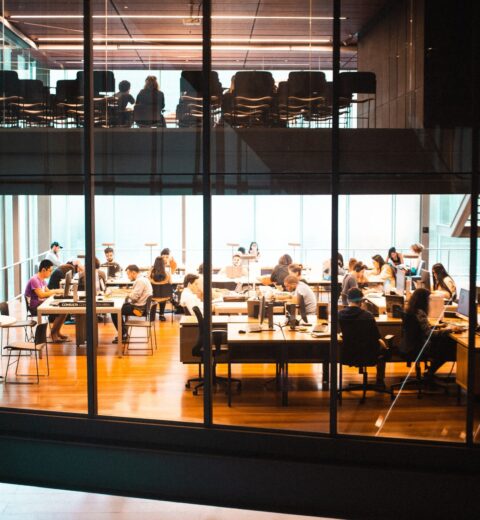
Think about the difference between working at a tidy desk in a calm room and trying to complete the same task in a crowded, cluttered space. In the second scenario, your brain keeps processing extra information. You notice movement in your peripheral vision, overhear fragments of conversation, and search for items hidden beneath piles of paperwork. None of these distractions seem significant on their own, yet together they chip away at your attention.
And comfort matters for the same reason. When your chair feels awkward or glare reflects from a screen, part of your attention shifts towards managing discomfort. Over several hours, that effort can leave you feeling mentally drained even if your workload hasn’t changed.
The role of noise, temperature and physical comfort
Noise doesn’t need to be loud to become disruptive. A nearby conversation, footsteps in a corridor, or the constant hum of activity can pull your thoughts away from detailed work. You may still complete the task, but you often spend extra time finding your place again after each interruption.
Temperature has a similar effect. When a room swings between too warm and too cold, people stop paying full attention to their work and start thinking about how uncomfortable they feel. In shared offices, these fluctuations can become a daily source of frustration.
Simple design choices, such as effective acoustic and thermal insulation, can help regulate both noise and temperature, creating a more stable environment that supports sustained concentration.
Designing spaces that support focus and performance
The most effective workplaces recognise that different tasks require different settings. Brainstorming with colleagues demands energy and interaction, while analyzing data or writing a proposal often requires uninterrupted thinking.
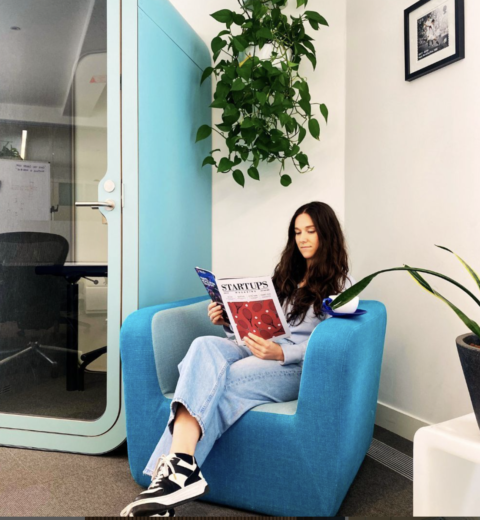
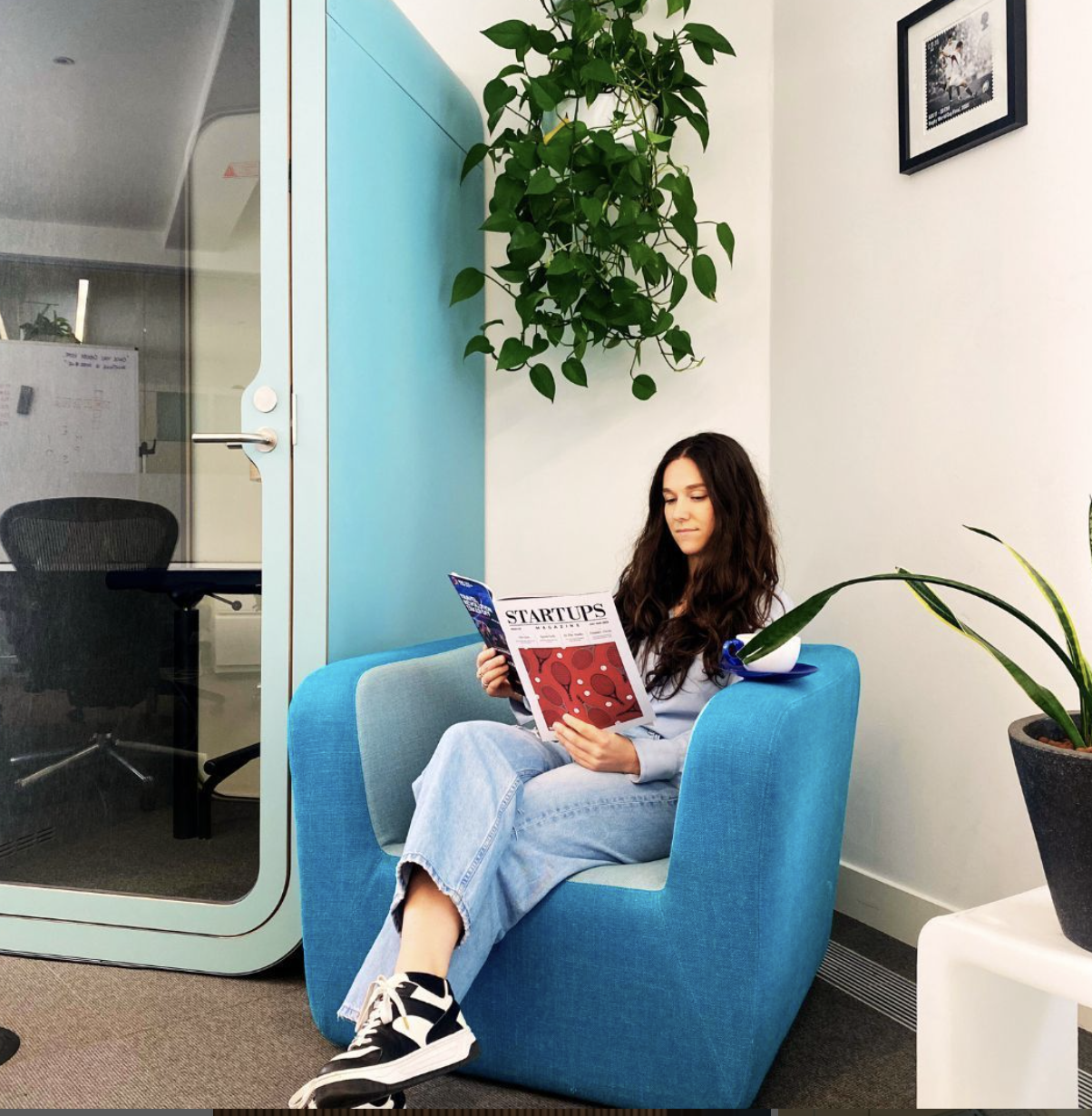
Provide spaces that match the work being done. A designated area for collaboration helps conversations happen naturally, while quieter zones give employees somewhere to tackle demanding tasks without constant interruptions.
The most valuable improvements are often the little ones. Moving printers away from desks, reducing visual clutter, improving storage, or creating clearer boundaries between busy and quiet areas can change how a workplace feels from one day to the next.
Photo credirts: eOffice