
How Professionals Use Flexible Workspaces Every Day
Flexible workspace solutions have quietly become part of everyday working life.
Not long ago, the idea of splitting your week between home, a coworking space, and a meeting room in another city felt unusual. Today, it feels entirely natural.
Work has become more fluid. Teams are distributed, travel is more common, and the way we structure our days has shifted. As a result, professionals are no longer tied to a single office.
Instead, they are choosing the environments that best support what they need to achieve.
Recent research from McKinsey & Company shows that flexible working is no longer a temporary shift, but a long-term expectation for many professionals.

A Week in the Life of Modern Work
If you look at a typical working week today, it rarely follows a fixed pattern.
Monday might begin at home, catching up on emails in a quiet space. By Tuesday, there’s a need for focus, so a local coworking space becomes the natural choice. Midweek often brings meetings, which call for a more professional setting. Later in the week, work might happen on the move or from another city entirely.
This is where flexible workspaces fit in.
They allow professionals to move between environments with ease, choosing each space with intention rather than habit.

When Focus Matters: Coworking Spaces
Working from home has its advantages, but it doesn’t always offer the conditions needed for deep, focused work.
There are distractions, interruptions, and sometimes simply a lack of separation between personal and professional life.
Coworking spaces provide a simple solution.
They offer structure without rigidity. A place to sit down, concentrate, and get through meaningful work without the noise of everyday life at home.
For many professionals, even one or two days a week in a coworking environment can make a noticeable difference to productivity and mindset.
When It’s Time to Meet: Spaces That Elevate the Conversation
There are moments in business that call for something more considered.
Meeting a client, holding an interview, or presenting an idea often requires a setting that reflects professionalism and intent.
This is where meeting rooms come into their own.
They provide privacy, focus, and a sense of occasion. Conversations tend to be more structured, more purposeful, and ultimately more effective.
It’s a subtle shift, but an important one. The right environment can change the tone of a meeting entirely.
Working While Travelling
For many professionals, work no longer stops when they leave their home city.
Travel has become part of the rhythm of business. Whether it’s visiting clients, exploring new markets, or simply working remotely from a different location, the need for reliable workspace remains constant.
Flexible workspaces make this seamless.
A desk can be booked for a few hours. A meeting room can be arranged at short notice. Work continues, uninterrupted, regardless of location.
This ability to remain productive while moving between cities is one of the defining features of modern work.
Building Presence Without Being There
Not every business needs a physical office. However, most still need a credible presence.
This is where virtual office services play a quietly powerful role.
They allow companies to establish a recognised business address, manage correspondence, and maintain a professional image — all without being tied to a specific location.
For businesses operating internationally, this becomes even more valuable. It offers a way to be present in key markets without the cost or complexity of a permanent office.
Flexibility as a Daily Advantage
What makes flexible workspace solutions so effective is the element of choice.
Professionals can decide where they work best, when they need to meet, and how to structure their day.
This flexibility supports not only productivity, but also balance.
Instead of adapting work to fit a single environment, people can adapt their environment to suit the work itself.
A More Human Way to Work
There is also a more personal shift taking place.
People are increasingly seeking environments that support focus, creativity, and wellbeing.
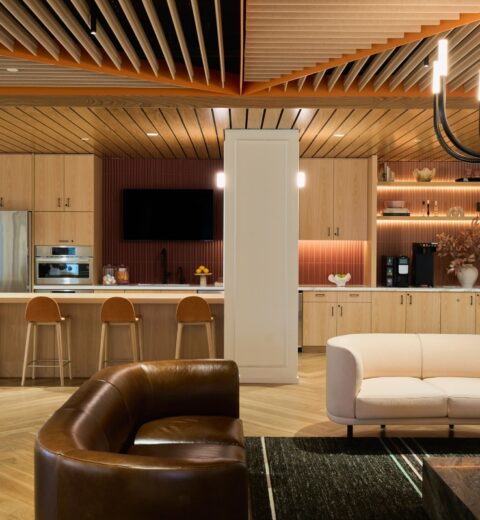
Flexible workspaces offer variety — quiet areas for deep work, shared spaces for interaction, and professional settings for important conversations.
As a result, work begins to feel less rigid and more aligned with how people naturally operate.
Where This Is All Heading
The way professionals use workspace will continue to evolve.
What’s clear is that work will remain flexible, distributed, and connected.
The most successful professionals will be those who understand how to use different spaces intentionally — not just where to work, but why.
A New Way to Work, Every Day
Flexible workspace solutions are no longer something people use occasionally.
They are part of everyday working life.
From focused days in coworking spaces to important meetings in professional environments, from working at home to working across cities, these spaces support how work actually happens today.
In the end, the question is no longer “Where is the office?”
It’s “What space do I need today?”
Explore flexible workspace solutions around the world at www.eoffice.net.