
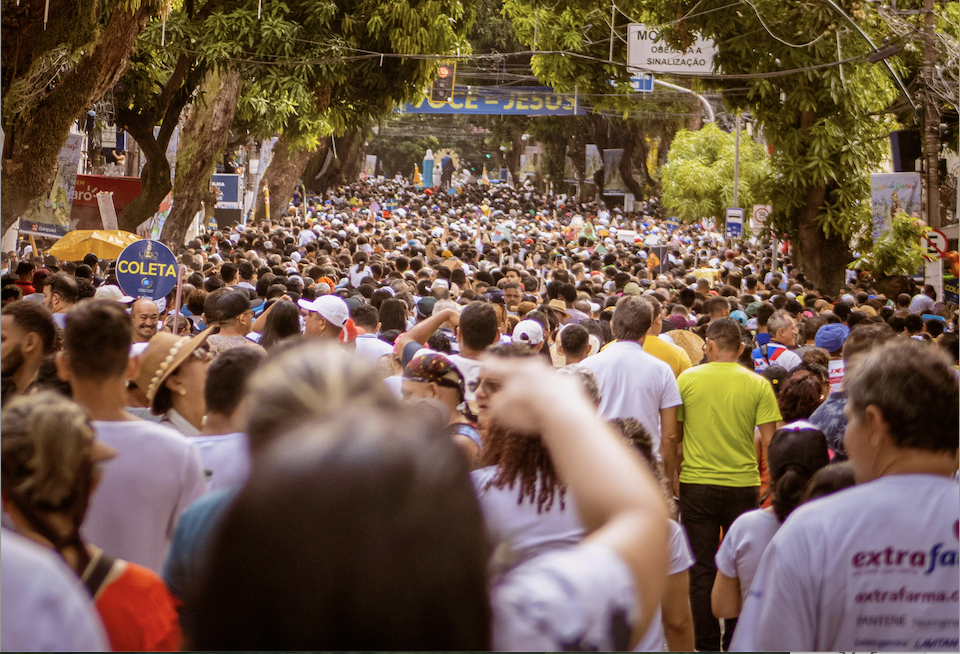
Beyond The Bottleneck: Smart Strategies For Managing Crowd Flow At Large Events

Large gatherings present both opportunity and risk. Conferences, festivals, sporting events, and community celebrations bring people together, but they also test the limits of space, staffing, and safety planning. Poorly managed crowd flow can lead to frustration, safety hazards, and reputational damage. Thoughtful planning and clear operational structure help organizations maintain order while creating a positive attendee experience.
Start with Data and Site Analysis
Effective crowd management begins long before attendees arrive. Site analysis should evaluate entry points, exit routes, restroom placement, food stations, and high-interest areas. Historical attendance numbers, ticket sales, and event schedules provide insight into expected peak times.
Mapping pedestrian traffic patterns helps identify potential choke points. Narrow hallways, sharp turns, and intersecting pathways often cause congestion. Adjusting layouts, widening walkways, or redistributing attractions can reduce pressure on specific areas. Modeling software and simulation tools allow planners to test different scenarios before finalizing the design.
Clear capacity limits must be established for each zone. These limits should account for fire codes, emergency access, and comfort levels. Exceeding capacity increases risk and reduces overall event quality.
Design for Clear Movement
Layout influences behavior. Attendees respond to visual cues and environmental signals. Wide, clearly marked pathways encourage steady movement. Barriers and stanchions guide foot traffic without creating a restrictive atmosphere.
Signage plays a significant role in directing flow. Large, legible signs placed at eye level reduce hesitation and confusion. Color-coding sections or entrances simplifies decision-making. Visual markers that align with event themes, such as church banners for Pentecost at a seasonal gathering, can provide direction while reinforcing identity.
Separate entry and exit points prevent cross traffic. Designating specific lanes for ticket holders, staff, and vendors minimizes overlap. For events with scheduled programming, staggering start times can reduce sudden surges.
Train Staff for Active Monitoring
Even well-designed layouts require human oversight. Staff and volunteers serve as the first line of observation. Proper training ensures they recognize early signs of congestion, agitation, or unsafe crowd density. Positioning personnel at high-traffic intersections allows for quick intervention. Staff can redirect guests, open alternate routes, or temporarily pause access to certain areas. Clear communication protocols enable teams to respond without confusion.
Public address systems and mobile communication tools support coordinated action. Short, calm announcements can guide attendees during peak moments. Consistent messaging prevents panic and promotes cooperation.
Use Technology to Support Flow
Technology adds precision to crowd management. Real-time monitoring through cameras or sensors provides insight into density levels. Event apps can share updates about wait times, alternative entrances, or schedule adjustments.
Digital ticket scanning offers data on arrival patterns. If entry lines grow long, organizers can deploy additional staff or open auxiliary gates. Heat mapping tools help planners refine future layouts based on actual movement patterns.
Technology should complement, not replace, on-site leadership. Data informs decisions, but experienced managers interpret context and human behavior.
Prioritize Emergency Preparedness
Emergency planning must integrate with the crowd flow strategy. Clear evacuation routes and unobstructed exits are essential. Backup lighting and visible exit signs guide attendees if power fails.
Drills and scenario planning prepare teams for weather disruptions, medical incidents, or security concerns. Coordination with local authorities strengthens response capability.
Safety planning should remain visible but unobtrusive. Attendees feel more confident when they perceive organization and readiness without excessive restriction.
Optimizing crowd flow requires coordination between design, staffing, and communication. Each element supports a shared objective of safety and efficiency. Organizations that invest in thoughtful planning reduce risk, improve attendee satisfaction, and protect their brand reputation. Large gatherings can operate smoothly when movement patterns are anticipated, monitored, and adjusted with intention. Look over the infographic below for more information.

Photo credit: Microsoft Stock Images